
You said no, the conversation ended, and now your mind is building a case against you. Post-boundary guilt can feel urgent enough to make you call back and erase the limit.
When Guilt Shows Up After You Say No
read more...
You said no, the conversation ended, and now your mind is building a case against you. Post-boundary guilt can feel urgent enough to make you call back and erase the limit.
A guided workbook may help if you say yes before checking your capacity, rehearse a no for hours, overexplain simple decisions, or undo limits as soon as someone is disappointed.
You can understand boundaries intellectually and still lose your words when guilt appears. That gap is why guided practice matters: insight becomes more useful when it is translated into a sentence, a plan, and a small action.
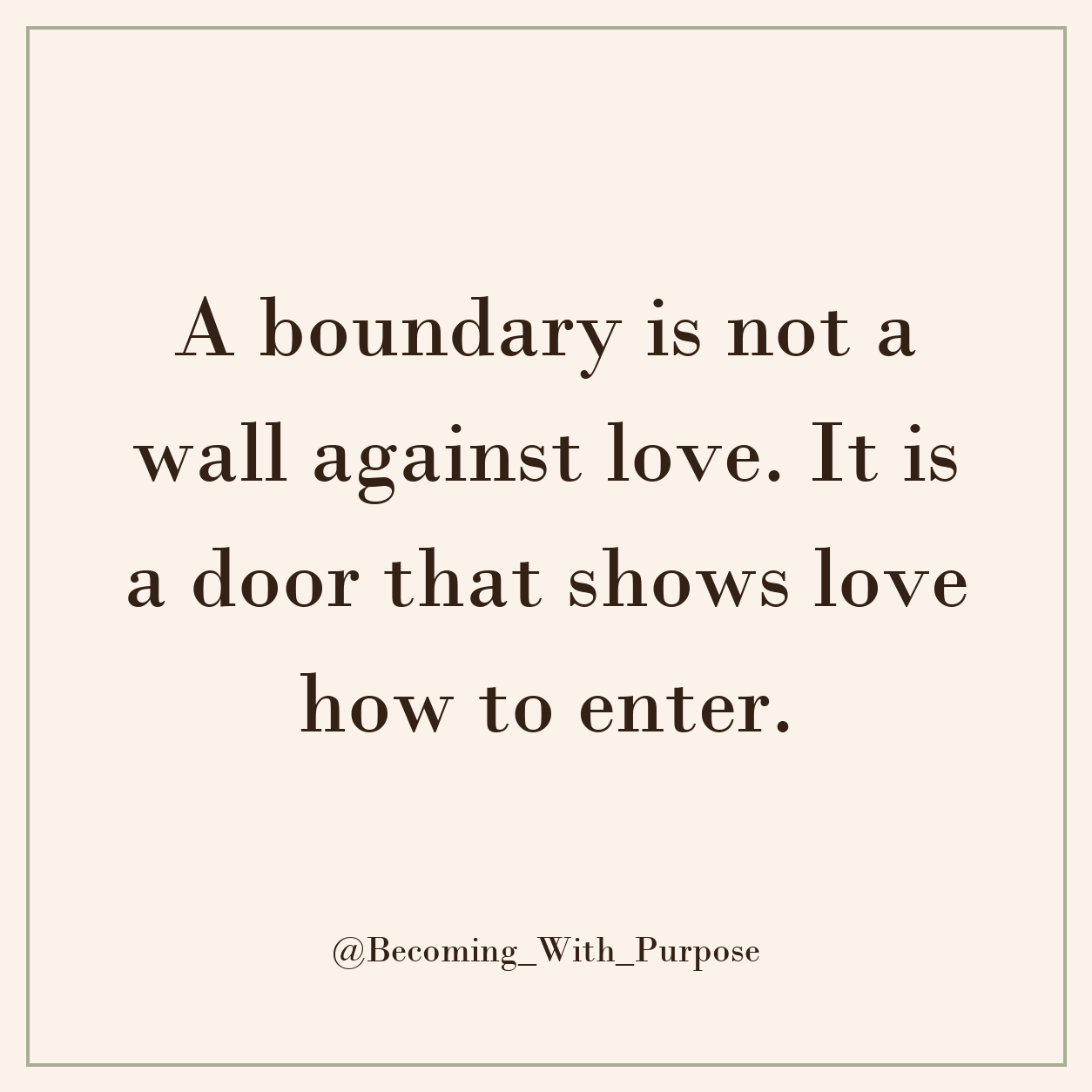
Boundaries are often mistaken for rejection. In healthy relationships, they can be instructions for sustainable closeness: how to speak, what is private, when you are available, and what repair requires.
Overexplaining a no often begins as an attempt to prevent disappointment. Instead, it can leave you defending your needs against every new objection.

Knowing that you need a boundary and finding words for it are different skills. Short scripts can help you stay respectful without explaining your life into exhaustion.
Stay inspired and informed with our latest updates, empowering stories, and exclusive resources. Subscribe now to receive content that nurtures your journey towards healing and purposeful living.